Discover the Beauty of Balimore: A Handwritten Font for Every Design
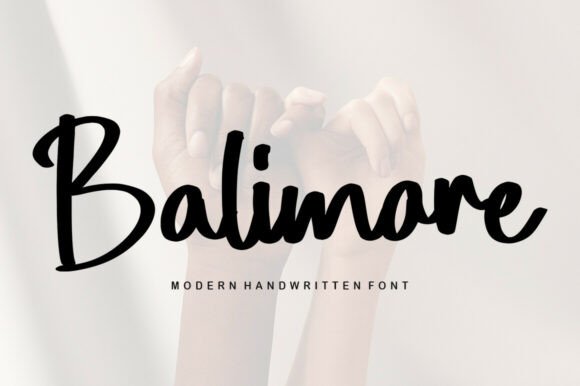
If you're looking for a font that combines elegance with personality, Balimore might just be your perfect match. This delicate, flowing handwritten font brings a unique charm to any project, whether it's for branding, invitations, or creative content. Its timeless style makes it versatile enough to suit both professional and personal uses, helping you stand out in a crowded digital space.
Why Choose Balimore?
Balimore isn't just another font—it's a design statement. With its soft curves and graceful strokes, it evokes a sense of artistry and warmth that's hard to replicate with standard fonts. It’s especially popular among designers who want to add a touch of handcrafted beauty to their work without sacrificing readability.
This font is ideal for projects that require a personal touch, such as wedding invitations, product packaging, or social media graphics. Its versatility also means it can adapt well to different industries, from fashion to education, making it a valuable asset in any designer's toolkit.
Common Mistakes When Using Balimore
While Balimore is a fantastic choice, there are some common pitfalls that users often overlook. Being aware of these can help you avoid unnecessary mistakes and ensure your designs look their best.
- Using it for large body text: Balimore is designed for headings and short phrases rather than long paragraphs. Using it for extensive text can make reading difficult and reduce legibility.
- Ignoring font pairing: While Balimore is beautiful on its own, combining it with inappropriate fonts can create visual clutter or an unbalanced design.
- Not checking licensing: Some versions of Balimore may have specific usage rights, especially if you're using it for commercial projects. Always verify the license before downloading or purchasing.
- Misunderstanding font weight options: Balimore comes in various weights, but not all are suitable for every design. Choosing the right weight can significantly impact the overall aesthetic.
How These Mistakes Affect Your Work
Using Balimore incorrectly can lead to several issues. Poor legibility can frustrate your audience, while mismatched fonts can confuse your message. Licensing oversights may even result in legal complications, especially if you're running a business or selling products.
Additionally, improper font pairing can dilute the elegance of Balimore, making your design appear less refined. It's important to consider how each element contributes to the overall look and feel of your project.
Practical Tips for Using Balimore Successfully
To get the most out of Balimore, follow these simple yet effective strategies:
- Use it strategically: Save Balimore for headlines, logos, or short promotional copy. For longer content, opt for a more readable sans-serif or serif font.
- Pair wisely: Combine Balimore with clean, modern fonts to create a balanced contrast. For example, pair it with a bold sans-serif like Montserrat or a classic serif like Georgia.
- Check compatibility: Ensure that Balimore works across different platforms and devices. Test it on various screen sizes and operating systems to maintain consistency.
- Respect the license: Always read the terms of use carefully. If you're unsure about commercial use, consider purchasing a premium license or opting for a free alternative that allows broader usage.
Realistic Examples of Better Approaches
Imagine you're designing a brochure for a boutique store. Instead of using Balimore throughout the entire text, use it only for the title and call-to-action buttons. The rest of the content can be in a clean, easy-to-read font like Helvetica or Arial. This approach maintains professionalism while still incorporating the charm of Balimore.
Another example could be a social media post promoting a new product. Use Balimore for the headline to grab attention, then switch to a simpler font for the product description. This creates a clear hierarchy and improves user engagement.
What to Check Before Deciding on Balimore
Before committing to Balimore, take a few moments to evaluate your needs and the font's capabilities:
- Intended use: Is it for print, web, or both? Some fonts perform better in certain mediums.
- Font size and spacing: Test Balimore at different sizes to ensure it remains legible and visually appealing.
- Color contrast: Make sure the font color stands out against the background. Dark text on light backgrounds usually works best.
- Licensing requirements: Confirm that you're allowed to use the font in your intended context, especially if it's for commercial purposes.
By taking these steps, you'll be better equipped to make informed decisions and avoid common mistakes associated with using Balimore.
Final Thoughts on Balimore
Balimore is more than just a font—it's a tool for creativity and expression. When used thoughtfully, it can elevate your designs and make them more memorable. However, understanding its limitations and best practices will help you achieve the best results.
With the right approach, Balimore can become a go-to choice for your next project. Stay mindful of your goals, test your choices, and always prioritize clarity and aesthetics. Happy designing!