Breath: Elegant Handwritten Typography for Real Design Work
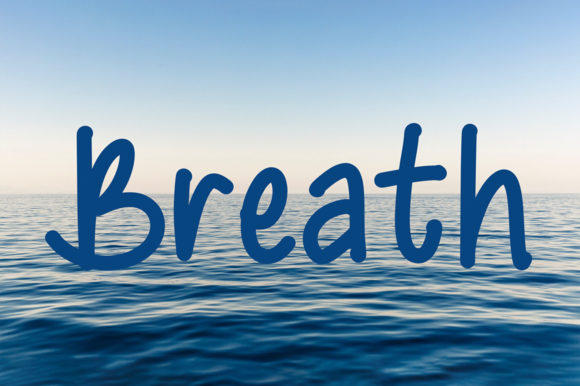
When a single font choice quietly elevates your entire project—whether it’s a wedding invitation that makes guests pause, a quote overlay on a travel photo that feels personal instead of polished, or a small business logo that conveys warmth without sacrificing professionalism—you’ve likely found something rare. Breath is one of those fonts: not just another script, but an elegant and charming handwritten typeface with quiet confidence and consistent rhythm.
Why Handwritten Typography Still Matters—Especially Today
In a digital landscape saturated with clean sans-serifs and algorithmically optimized UI fonts, handwritten typography carries subtle but powerful meaning. It signals authenticity, care, and human intention. But not all handwritten fonts deliver equally. Many feel overly ornate, inconsistent in stroke weight, or difficult to read at smaller sizes. Breath avoids those pitfalls. Its letterforms flow naturally—like confident penmanship—not forced calligraphy. The spacing is generous, the x-height generous enough for legibility, and the terminals are soft, never sharp or abrupt.
This isn’t just aesthetic preference. For designers, marketers, educators, and small business owners, choosing Breath means spending less time adjusting kerning, less time second-guessing whether a client will find the tone “too casual” or “too formal,” and more time focusing on message and audience.
Where Breath Makes Immediate, Practical Difference
Breath shines where personality and precision must coexist. Consider these everyday scenarios:
- Wedding stationery: Couples want invitations that reflect their relationship—not a template. With Breath, names, dates, and venue details gain gentle distinction without competing for attention. Unlike many scripts that vanish into photographic backgrounds, Breath holds its own against soft-focus imagery or textured paper scans.
- Greeting and thank-you cards: A handwritten note stands out in a world of email receipts and automated follow-ups. Using Breath in printed or digital cards (e.g., Canva templates or Mailchimp campaigns) adds sincerity—even when scaled down to 14pt on a folded card.
- Photography overlays: Photographers and content creators often add short quotes or location tags to images shared on Instagram or portfolios. Breath’s balanced contrast and open counters ensure readability over busy backgrounds—no need to add heavy shadows or opaque text boxes.
- Small business branding: A local florist, ceramicist, or wellness coach may avoid corporate-looking fonts entirely. Breath works beautifully on business cards, packaging labels, and website headers—conveying craft and approachability without appearing unpolished.
Who Benefits Most—and Why It Fits Naturally
Breath suits professionals who value clarity as much as charm. Freelance designers appreciate how consistently it performs across Adobe Creative Cloud apps and web platforms like Figma or Canva. Educators creating classroom posters or digital handouts find it legible yet inviting—especially for younger audiences or inclusive learning materials. Bloggers and content creators use it for featured quotes or newsletter headers where voice matters more than formality.
It’s also ideal for non-designers. Small business owners managing their own social media or email campaigns often lack typography training—but they understand tone. Breath gives them a reliable tool: no steep learning curve, no need to pair multiple fonts to achieve balance. One weight, one style, wide language support—including Latin Extended-A—means fewer surprises when typing names or accents.
A Note on Versatility Without Compromise
“Suitable for all aspects of design” doesn’t mean Breath replaces every font you own. It excels where warmth, intimacy, or artisanal character supports the goal—not where technical precision (like data tables), high-density information (like legal disclaimers), or extreme scalability (like highway signage) is required. That’s not a limitation; it’s focus. Knowing when Breath fits—and when it doesn’t—helps you make faster, more intentional choices.
For example: pairing Breath with a neutral sans-serif like Inter or Lato creates strong visual hierarchy—ideal for presentation decks or landing pages. Using it alone for body copy? Not advisable. But for headlines, pull quotes, or signature lines? It delivers impact with minimal effort.
Realistic Considerations Before You Use Breath
Like any well-crafted tool, Breath works best when matched to context. Its elegance comes from restraint—not decoration. If your brand relies on bold, energetic, or playful energy (think children’s toys or festival posters), Breath may feel too serene. Similarly, if your audience skews toward highly technical or enterprise contexts—say, a fintech dashboard or regulatory report—its handwritten nature could unintentionally undercut authority.
Also worth noting: while Breath includes standard OpenType features like ligatures and stylistic alternates, it’s designed as a single-weight family. That means it doesn’t offer light, bold, or condensed variants. This simplifies usage but means you’ll rely more on size, color, and layout to create contrast—something many designers actually prefer for focused projects.
How to Use Breath Thoughtfully—Not Just Decoratively
Start by asking: What feeling should this text invite? If the answer is “calm,” “thoughtful,” “personal,” or “crafted,” Breath is likely aligned. Then consider placement:
- Lead with clarity: Use it for short, high-impact text—names, titles, taglines—not paragraphs.
- Respect white space: Its charm grows when surrounded by breathing room—not crammed into tight grids.
- Test on real devices: Preview how it renders on mobile screens and printed samples. Its smooth curves hold up well, but always verify.
- Pair intentionally: Let Breath be the voice; choose a supporting font that listens—not competes.
One educator told us she uses Breath for student feedback notes because “it feels like I’m writing directly to them—not grading.” A wedding planner says clients consistently describe invitations set in Breath as “the one that made me cry before the ceremony even started.” These aren’t marketing claims. They’re outcomes rooted in how the font behaves—not just how it looks.
Final Thought: Typography as Quiet Confidence
Great typography rarely shouts. It settles in, supports meaning, and disappears just enough—so the message remains center stage. Breath does exactly that. It’s elegant without pretense, charming without cliché, and handwritten without looking like a first draft. Whether you’re launching a new brand, designing a keepsake, or simply trying to make everyday communication feel more human, Breath offers consistency, grace, and quiet effectiveness—no extra plugins, tutorials, or justification required.