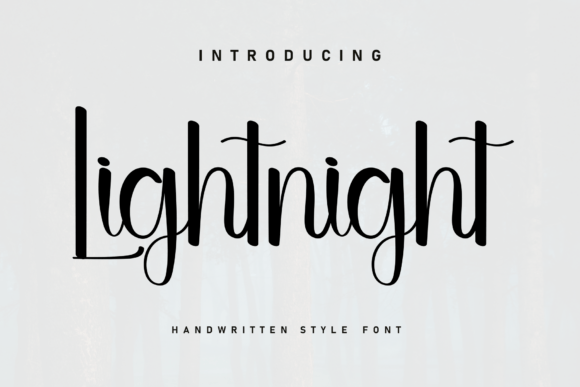
Lightnight: The Handwritten Font That Redefines Modern Design
In a world where digital interfaces dominate, the human touch remains irreplaceable. Lightnight is a handwritten font that captures this essence—crafted to look like it was drawn with a marker, it brings a relaxed and sporty feel to any design. This unique aesthetic has made Lightnight a go-to choice for branding, logos, wedding supplies, greeting cards, fashion, lookbooks, marketing promotions, and more. Its ability to balance elegance with casual charm makes it particularly relevant in today’s design landscape.
The Rise of Handwritten Fonts in Digital Design
Handwritten fonts have evolved from niche typographic choices to mainstream design assets. As users seek authenticity and personality in their visual content, designers are turning to fonts that reflect real-world creativity. Lightnight fits seamlessly into this trend, offering a versatile alternative to traditional sans-serif or serif fonts.
Unlike rigid, structured typefaces, Lightnight mimics the fluidity of hand-drawn text. This characteristic aligns with the growing demand for designs that feel personal and relatable. Whether it's a brand logo or a social media post, Lightnight adds a layer of warmth and approachability that resonates with modern audiences.
Why Lightnight Stands Out in a Crowded Market
With so many fonts available, what sets Lightnight apart? Its relaxed and sporty feel gives it a distinct identity. It's not just about aesthetics—it's about creating a visual language that communicates energy and ease. This makes it ideal for use in dynamic contexts such as fashion, lifestyle, and creative industries.
Moreover, Lightnight’s versatility allows it to adapt across different mediums. From print materials to digital platforms, its character remains consistent. This adaptability is crucial in an era where content needs to be accessible and engaging across multiple channels.
Practical Applications of Lightnight
- Branding: Lightnight can help establish a brand’s identity by adding a touch of individuality. It works especially well for brands that emphasize creativity, youth, and innovation.
- Wedding Supplies: The font’s elegant yet casual style makes it perfect for invitations, thank-you notes, and other wedding-related materials.
- Greeting Cards: Lightnight adds a personal, handwritten feel to messages, making it ideal for birthdays, anniversaries, and other special occasions.
- Fashion and Lookbooks: In the fashion industry, Lightnight can enhance product descriptions, tags, and promotional materials with a stylish and approachable look.
- Marketing Promotions: Whether used in posters, banners, or social media graphics, Lightnight helps create eye-catching visuals that stand out in a crowded digital space.
Lightnight and the Shift Toward Authentic Design
Designers are increasingly prioritizing authenticity over perfection. Lightnight reflects this shift by offering a font that feels genuine and unpolished. In an age where everything is curated and optimized, the rawness of a handwritten font becomes a powerful statement.
This trend is driven by changing consumer habits. People are more likely to engage with content that feels real and relatable. Lightnight meets this need by providing a design element that bridges the gap between professionalism and personal expression.
How Lightnight Fits Into Modern Workflows
For professionals and creatives, workflow efficiency is key. Lightnight’s availability in various formats—such as web-safe and downloadable versions—makes it easy to integrate into both digital and print projects. This accessibility ensures that designers can use it without compromising on quality or consistency.
Additionally, Lightnight’s compatibility with design software like Adobe Illustrator, Photoshop, and Canva means it can be used across different platforms. This flexibility supports modern workflows that require quick prototyping and iterative design.
Lightnight in the Context of Branding and Marketing
Branding is no longer just about logos and color schemes. It’s about creating a cohesive visual identity that connects with the audience. Lightnight contributes to this identity by adding a human element to otherwise sterile digital content.
Marketers and entrepreneurs can leverage Lightnight to differentiate their brand from competitors. Its unique style helps create memorable visuals that stand out in a sea of similar designs. Whether used in email campaigns, social media posts, or packaging, Lightnight enhances the overall brand experience.
Real-World Examples of Lightnight in Action
Consider a boutique fashion brand that uses Lightnight in its lookbook. The font adds a sense of craftsmanship and individuality, reinforcing the brand’s commitment to quality and artistry. Similarly, a local bakery might use Lightnight on its signage and packaging to create a welcoming and personal atmosphere.
These examples illustrate how Lightnight can be applied in diverse contexts. Its adaptability ensures that it remains relevant across different industries and target audiences.
Choosing the Right Font for Your Project
When selecting a font, it’s important to consider both aesthetics and functionality. Lightnight excels in situations where a casual, elegant, and approachable look is desired. However, it may not be the best choice for formal or highly technical applications.
Designers should also consider the readability of the font in different sizes and formats. While Lightnight is visually appealing, it may require additional spacing or styling to ensure clarity in smaller text or digital displays.
Tips for Using Lightnight Effectively
- Pair with complementary fonts: Use Lightnight as a headline or accent font, pairing it with a clean sans-serif or serif font for body text.
- Experiment with colors: Lightnight works well with both warm and cool tones, allowing for creative color combinations that enhance the overall design.
- Test across devices: Ensure that Lightnight renders consistently across different screens and platforms to maintain visual integrity.
- Use sparingly: Like any bold design choice, Lightnight should be used thoughtfully to avoid overwhelming the viewer.
Conclusion
Lightnight represents a meaningful evolution in the world of typography. By blending elegance with casual charm, it offers a unique solution for designers seeking to connect with their audience on a more personal level. As trends continue to favor authenticity and individuality, Lightnight is poised to remain a valuable asset in both creative and commercial contexts.