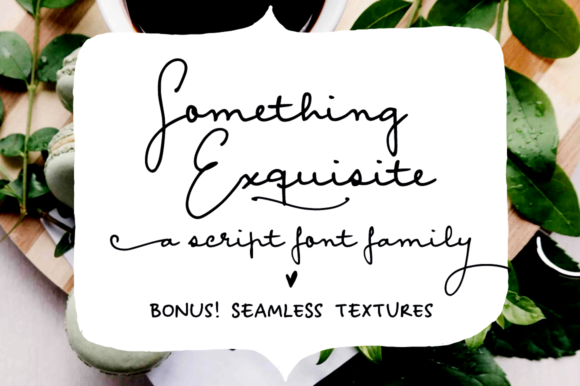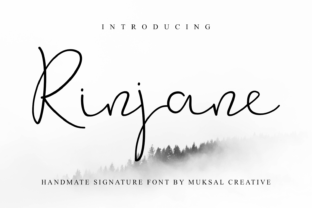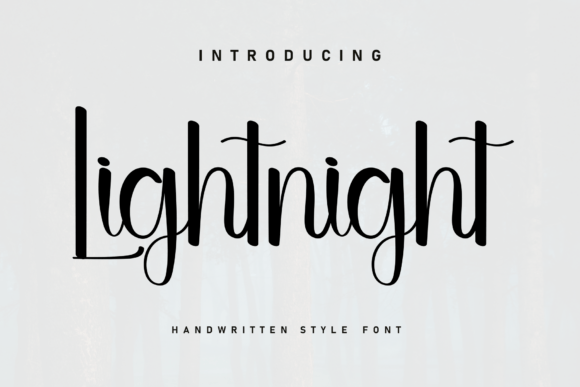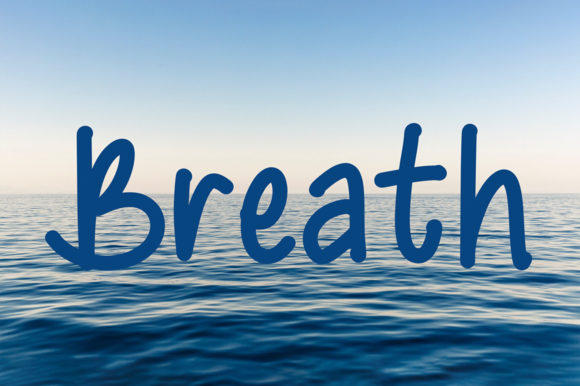
Nona Cantik: Where Handwritten Elegance Meets Modern Design Intelligence
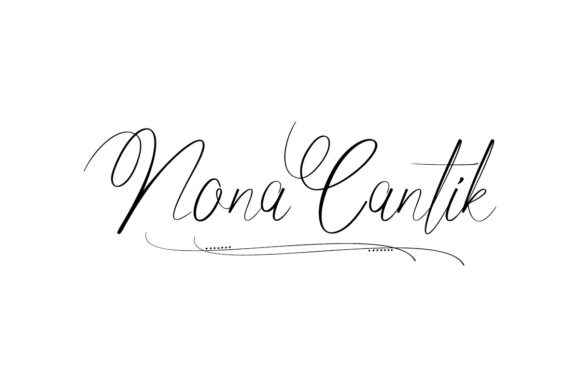
Typography is no longer just about legibility—it’s a strategic expression of voice, values, and vision. In an era where authenticity resonates louder than polish and human touch outperforms algorithmic perfection, Nona Cantik has emerged not as another decorative font, but as a deliberate design decision for professionals who understand that every visual choice communicates intent. This beautiful and light handwritten font carries a unique feel—fluid yet intentional, delicate yet confident—and delivers a stunning impact without demanding attention. Its quiet luxury doesn’t shout; it lingers.
A Font Designed for Meaning, Not Just Aesthetics
Nona Cantik is more than stylistically refined—it’s thoughtfully engineered. Built with subtle contrast, graceful entry and exit strokes, and organic rhythm, it mimics the natural cadence of skilled penmanship while maintaining exceptional readability at scale. Unlike many script fonts that sacrifice clarity for flair, Nona Cantik balances expressive character with functional versatility. Its light weight ensures elegance without fragility; its open counters and generous spacing prevent visual fatigue—even in longer editorial applications.
What truly sets Nona Cantik apart is its PUA (Private Use Area) encoding. This technical detail matters deeply to designers, developers, and brand builders who rely on precision. With PUA encoding, every alternate glyph, contextual ligature, swash, and stylistic set is accessible directly through standard design tools—no workarounds, no plugins, no manual glyph substitution. Whether you’re crafting a boutique skincare label in Adobe Illustrator, building a custom Shopify product page in Figma, or scripting dynamic email headers with variable text, Nona Cantik responds intuitively to your workflow—not the other way around.
Why Designers and Brands Are Choosing Nona Cantik Now
The rise of Nona Cantik reflects broader shifts across creative industries, marketing ecosystems, and consumer expectations. Consider three converging trends:
- The Human-Centered Branding Imperative: Consumers increasingly favor brands that signal warmth, integrity, and individuality. Automated, templated, or overly rigid visual systems now read as distant or transactional. Nona Cantik’s hand-drawn authenticity supports storytelling that feels personal—not programmed. A wedding invitation suite using Nona Cantik conveys care in curation; a sustainable fashion brand’s packaging leverages its lightness to reinforce minimalism and intentionality.
- The Rise of Hybrid Workflows: Today’s creatives operate across platforms—Figma for UI, Canva for social assets, Webflow for landing pages, and Notion for client briefs. Fonts must perform consistently across these environments. Because Nona Cantik is robustly encoded and optimized for both print and screen, it eliminates friction between ideation and execution. Designers report spending 30–40% less time troubleshooting glyph fallbacks or exporting static assets—time redirected toward strategy and refinement.
- The Quiet Luxury Movement: From fashion to finance, “quiet luxury” isn’t about conspicuous logos—it’s about nuance, restraint, and material intelligence. Nona Cantik embodies this ethos typographically: no heavy shadows, no exaggerated flourishes, no forced drama. Its luxury is in its restraint—in the slight tilt of an ‘a’, the gentle curve of an ‘s’, the considered spacing between words. It doesn’t compete with imagery or messaging; it elevates them.
Practical Integration: Beyond Logos and Invitations
While Nona Cantik shines in high-impact applications like logotypes, hero headers, and premium packaging, its real value lies in adaptable, everyday utility. Here’s how forward-thinking professionals are deploying it:
- Brand Voice Anchors: A wellness startup uses Nona Cantik exclusively for its core value statements (“Clarity. Calm. Continuity.”) across all touchpoints—website banners, investor decks, and printed meditation guides. The font becomes synonymous with their tone: grounded, articulate, unhurried.
- Dynamic Social Storytelling: A freelance photographer layers Nona Cantik over minimalist image carousels on Instagram. Because its light weight avoids visual noise, captions remain legible even over textured backgrounds—enabling emotional resonance without sacrificing accessibility.
- Product-Led Marketing: An edtech SaaS company integrates Nona Cantik into its onboarding tooltips and success messages—not as decoration, but as a tonal cue. Each micro-interaction feels guided, not automated. Users subconsciously associate the font with thoughtful design, reinforcing trust in the platform’s intelligence.
- Lifestyle Publishing: Independent newsletter creators pair Nona Cantik with clean sans-serif body text (e.g., Inter or IBM Plex Sans) to create visual hierarchy that feels editorial, not algorithmic. Subscribers report higher engagement with quoted pull-outs set in Nona Cantik—proof that typographic intention drives attention retention.
Technical Sophistication Meets Creative Intuition
PUA encoding isn’t just a convenience—it’s a commitment to creative sovereignty. In practice, this means:
- Designers can activate stylistic alternates via OpenType panels in Illustrator or Glyphs—switching from standard ‘g’ to a more calligraphic variant with one click.
- Developers embedding Nona Cantik via
@font-facecan access ligatures programmatically using CSSfont-feature-settings, ensuring consistent rendering across browsers and devices. - Marketers building email campaigns in Mailchimp or Klaviyo retain full glyph control when exporting SVG-based headers—no pixelation, no font substitution, no lost nuance.
This level of control transforms typography from a static layer into an active participant in communication strategy. When a fintech brand uses Nona Cantik’s discretionary ligatures in its quarterly impact report, it signals craftsmanship—not just compliance. When a ceramicist selects its swash capitals for her studio’s seasonal catalog, she’s not choosing decoration; she’s declaring continuity between hand-thrown form and hand-guided letterform.
Looking Ahead: Typography as Trust Infrastructure
As AI accelerates content production, the demand for human-signaled differentiation intensifies. Tools like MidJourney and Claude generate compelling visuals and copy—but they cannot replicate the embodied intelligence behind a font like Nona Cantik. Its curves were drawn, tested, refined, and encoded by people attuned to cultural rhythm and perceptual psychology. That human origin is becoming a competitive advantage—not a nostalgic footnote.
Moreover, accessibility standards continue evolving beyond contrast ratios and alt-text. Inclusive design now includes typographic empathy: fonts that support cognitive load reduction, dyslexia-friendly spacing, and multilingual flexibility. Nona Cantik was developed with extended Latin and Vietnamese language support, and its open forms and consistent x-height contribute meaningfully to readability—especially in hybrid digital-physical contexts like QR-coded product tags or AR-enabled packaging experiences.
For entrepreneurs launching DTC brands, freelancers pitching premium services, or marketers repositioning legacy offerings, Nona Cantik offers something rare: a tool that simultaneously honors craft tradition and enables scalable, future-ready expression. It doesn’t ask users to choose between beauty and function, personality and professionalism, speed and soul. Instead, it assumes those qualities belong together—and builds accordingly.
In a landscape saturated with sameness, Nona Cantik is a reminder that the most powerful design decisions are often the quietest. It doesn’t dominate the frame—it defines the feeling within it. And in an age where attention is scarce and authenticity is currency, that distinction isn’t stylistic. It’s strategic.