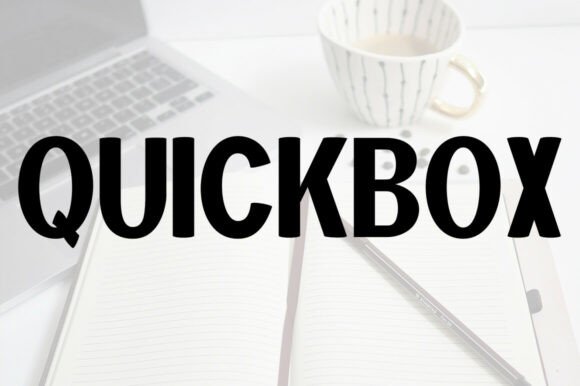
Quickbox: A Playful Font for Strategic Design and Creative Expression
Quickbox is more than just a font—it’s a design tool that can enhance your creative output, streamline your workflow, and align with your brand’s personality. Its rounded, expressive strokes and friendly aesthetic make it ideal for projects that require warmth, approachability, and visual interest. Whether you're working on branding materials, marketing collateral, or digital content, Quickbox offers a unique way to communicate your message with both style and substance.
Why Quickbox Matters in Strategic Design
Design decisions are rarely made in isolation. They are part of a broader strategy that includes branding, messaging, audience engagement, and long-term outcomes. Quickbox supports this by offering a font that is not only visually appealing but also strategically aligned with the goals of your project.
Its playful yet modern look makes it versatile enough to fit into various contexts—whether you're crafting a logo for a startup, designing a social media template for a lifestyle brand, or creating an invitation for a community event. The key is to use Quickbox intentionally, ensuring it complements the tone and purpose of your work rather than overshadowing it.
When to Use Quickbox for Maximum Impact
The right time to use Quickbox depends on the context of your project and the message you want to convey. Here are some strategic scenarios where Quickbox shines:
- Branding Projects: When building a brand identity that emphasizes creativity, friendliness, and approachability, Quickbox can help establish a memorable visual voice.
- Social Media Content: For platforms like Instagram, TikTok, or Pinterest, where visual appeal is key, Quickbox adds a touch of charm without being too formal.
- Event Invitations: Whether it's a birthday, workshop, or networking event, Quickbox brings a sense of warmth and personalization to your designs.
- Marketing Collateral: Brochures, posters, and promotional materials benefit from Quickbox’s readability and expressive character, making them stand out in a crowded market.
- Personal Projects: If you’re working on a portfolio, blog, or creative journal, Quickbox helps you maintain a cohesive and stylish look across all your content.
By matching the font to the context, you ensure that Quickbox enhances rather than detracts from your overall message. It’s not just about aesthetics—it’s about alignment with your strategic objectives.
How to Approach Quickbox Strategically
Integrating Quickbox into your design process requires thoughtful planning. Start by defining the purpose of your project and identifying the core values you want to communicate. Once you have clarity on these elements, Quickbox can be used to reinforce them visually.
Consider how the font interacts with other design elements. Does it complement your color palette? Does it match the tone of your brand or the message you want to deliver? These questions help you make informed decisions about when and how to apply Quickbox effectively.
Another important factor is readability. While Quickbox has a friendly and stylized appearance, it should still be legible at different sizes and in various formats. Test it in different contexts—on a website, in print, or as part of a video—to ensure it maintains its impact without compromising clarity.
Practical Tips for Using Quickbox Intentionally
To maximize the value of Quickbox, follow these practical tips:
- Use it for Key Elements: Apply Quickbox to headlines, titles, and call-to-action buttons where it can make the most visual impact.
- Pair with Complementary Fonts: Balance Quickbox with a more traditional serif or sans-serif font to create contrast and hierarchy.
- Test Across Platforms: Ensure Quickbox looks great on both digital and print media, and works well with different background colors and text sizes.
- Stay Consistent: Use Quickbox consistently across all your materials to build brand recognition and reinforce your visual identity.
- Experiment Thoughtfully: Try different variations of Quickbox (if available) to find the one that best suits your project’s needs.
By approaching Quickbox with intention, you avoid common pitfalls like overuse or mismatched application. This ensures that every design decision contributes meaningfully to your overall strategy.
What to Consider Before Relying on Quickbox
While Quickbox is a powerful tool, it’s not a one-size-fits-all solution. Before incorporating it into your design workflow, consider the following factors:
- Project Goals: Does Quickbox align with the goals of your project? If your objective is professionalism, a more structured font might be better suited.
- Audience Preferences: Who is your target audience? Quickbox may not be the best choice for a formal or corporate setting, but it could be perfect for a creative or community-focused brand.
- Brand Identity: Does Quickbox reflect your brand’s personality? It should support, not contradict, your overall visual language.
- Technical Compatibility: Ensure Quickbox is compatible with the platforms and tools you use, especially if you’re working with web-based applications or print services.
- Long-Term Value: Will Quickbox continue to serve your needs as your project evolves? Consider whether it will remain relevant in the future.
By evaluating these considerations, you can make more informed decisions about when and how to use Quickbox, ensuring it remains a valuable asset in your design toolkit.
Strategic Benefits of Quickbox in Design Workflows
Quickbox isn’t just a decorative element—it can significantly enhance your design workflows and outcomes. Its expressive nature allows for greater creativity, while its versatility supports a wide range of applications. From improving communication through visual storytelling to boosting productivity by streamlining design choices, Quickbox offers strategic advantages that go beyond aesthetics.
One of the key benefits of Quickbox is its ability to foster a more personal connection with your audience. In an era where consumers are bombarded with information, having a font that feels warm, approachable, and authentic can make a big difference. Quickbox helps you stand out by adding a human touch to your designs, which can improve customer engagement and brand loyalty.
Additionally, Quickbox supports efficient decision-making by simplifying the design process. Instead of choosing between multiple fonts, you can rely on Quickbox to provide a consistent and effective visual identity. This reduces the time spent on styling and allows you to focus on the core aspects of your project.
Real-World Applications of Quickbox
Let’s explore some real-world examples of how Quickbox can be applied strategically:
- Startup Branding: A new creative agency might use Quickbox for their logo and website headers to convey innovation and approachability.
- Nonprofit Campaigns: Quickbox can be used in fundraising materials to create a sense of community and shared purpose.
- Education Materials: Teachers or educators might use Quickbox in lesson plans or student handouts to make learning more engaging.
- Small Business Marketing: Local businesses can use Quickbox in signage, menus, and online content to create a welcoming atmosphere.
- Personal Blogs: Bloggers can use Quickbox to add personality to their posts and make their content feel more relatable.
In each of these cases, Quickbox serves a specific purpose and aligns with the strategic goals of the project. This demonstrates how a thoughtful approach to font selection can lead to more effective and impactful results.
Conclusion
Quickbox is more than just a font—it’s a strategic design tool that can elevate your creative work and support your business goals. By using it intentionally and thoughtfully, you can create designs that are not only visually appealing but also aligned with your brand’s identity and messaging.
Whether you're a designer, marketer, entrepreneur, or hobbyist, Quickbox offers a unique opportunity to bring warmth, personality, and creativity to your projects. With careful planning and consideration, you can harness its potential to achieve better outcomes and make more meaningful connections with your audience.