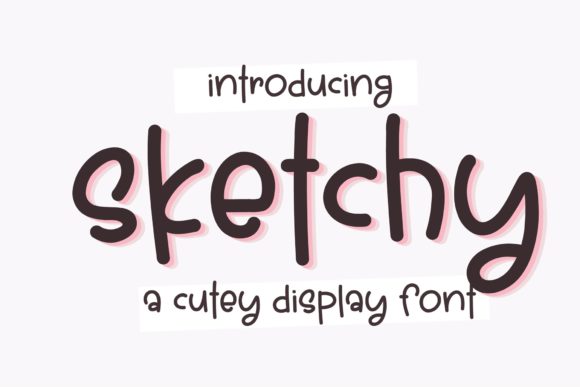
Sketchy
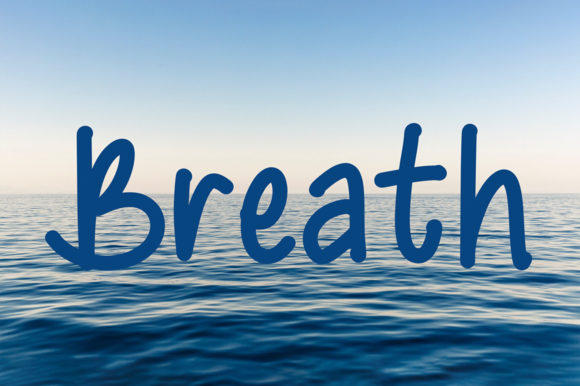
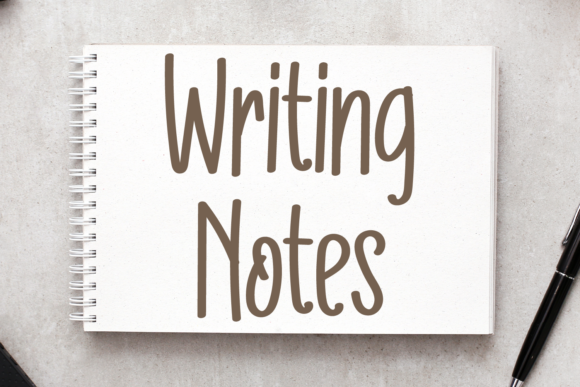
Sketchy isn’t just another handwritten font—it’s a deliberate design choice with functional weight. Its informal, chalk-on-blackboard texture carries authenticity without artifice. It doesn’t try to mimic perfection; it embraces slight inconsistencies in stroke width, subtle wobbles, and organic spacing. That’s not a limitation—it’s the point. When used with intention, Sketchy signals approachability, clarity, and human presence. That matters most when your audience is scanning quickly, deciding whether to engage, trust, or act.
Why Sketchy Works Where Other Fonts Don’t
Most fonts prioritize legibility or elegance—but Sketchy prioritizes recognition. Not recognition of letters, but of intent. A headline in Sketchy doesn’t say “I’m important.” It says “I’m here to help you understand—not impress you.” That distinction reshapes how people receive your message. Educators use it for learning objectives on whiteboards because it lowers cognitive load: students register the content faster when it feels familiar, unpolished, and grounded in real teaching practice. Marketers apply it to workshop handouts or email subject lines where warmth and clarity outweigh formality. Small business owners choose it for in-store signage that must feel personal—not corporate—without sacrificing readability from six feet away.
This isn’t about aesthetics alone. It’s about alignment: does the visual tone match the emotional and functional goal? If you’re guiding someone through a complex process—like onboarding a new tool, explaining a policy change, or walking through a budget forecast—Sketchy can soften friction. It subtly cues the brain: “This isn’t rigid. You can ask questions. You belong here.”
Strategic Use Cases—Not Just Decoration
Sketchy earns its place when it supports an outcome—not when it fills space. Consider these grounded applications:
- Learning & training materials: Use Sketchy for key takeaways, definitions, or reflection prompts—not full paragraphs. Its rhythm encourages pause and retention, especially in slide decks or printed workbooks where attention is fragmented.
- Customer-facing explanations: On pricing pages, support docs, or FAQ sections, pair Sketchy with clean sans-serif body text. The contrast makes core concepts stand out while keeping supporting detail scannable and neutral.
- Internal planning documents: Product roadmaps, sprint retrospectives, or strategy workshops benefit from Sketchy headers or sticky-note-style annotations. It visually separates “thinking-in-progress” from finalized deliverables—reducing premature assumptions about authority or completion.
- Branded educational content: Blog graphics, newsletter banners, or social carousels gain memorability when Sketchy anchors a single phrase—“What’s next?” or “Try this instead”—while the rest remains clean and structured.
Notice what’s absent from that list: long-form articles, legal disclaimers, data-heavy reports, or formal proposals. Sketchy isn’t wrong there—it’s mismatched. Its strength lies in signaling invitation, not authority. Confusing those roles dilutes both credibility and clarity.
When Sketchy Undermines—And How to Avoid It
Misuse usually stems from treating Sketchy as a mood enhancer rather than a communication tool. Slapping it onto a financial report header doesn’t make numbers friendlier—it makes them harder to trust. Using it for all text in a presentation overwhelms the eye and blurs hierarchy. And applying it across every brand touchpoint—website, invoices, packaging—creates inconsistency unless that’s a documented, audience-tested part of your voice.
Risk increases when decisions are reactive: “It looked fun,” “Our competitor used it,” or “It felt right in the mockup.” Those aren’t strategies—they’re guesses. Before committing, ask:
- What specific action do I want the reader to take after seeing this?
- Does Sketchy make that action more likely—or does it distract, confuse, or delay?
- Is this the only place where this tone appears? If not, why not—and what does that signal about our priorities?
If the answers lack specificity, pause. Sketchy amplifies existing clarity—it doesn’t create it. Deploying it before defining goals, audience context, or desired outcomes is like choosing paint before designing the room.
Practical Integration—Not Just Installation
Getting Sketchy into your workflow is simple. Getting it working requires discipline. Start small: pick one recurring asset—say, weekly team meeting notes—and apply Sketchy only to section headers (“Key Decisions,” “Next Steps,” “Open Questions”). Track whether participants reference those headers more often in follow-up conversations. That’s measurable utility—not speculation.
For educators building lesson plans: use Sketchy for learning goals and reflection questions, but keep instructions, rubrics, and citations in a highly legible font like Inter or Open Sans. That contrast trains students’ eyes to shift mental gears—engagement mode vs. execution mode.
Freelancers pitching creative services can embed Sketchy in proposal appendices—like “How We’ll Collaborate” or “Your Role in This Process”—to reinforce partnership over transaction. But keep fees, timelines, and scope in neutral type. Clarity on terms shouldn’t compete with warmth on process.
Crucially: test at real size and distance. Sketchy looks different at 14px on mobile versus 48px on a projector. Print a sample on the same paper stock you’ll use for handouts. View it under the lighting conditions your audience will experience. Authenticity breaks down fast when strokes blur or spacing collapses.
Long-Term Positioning—Beyond the Trend
Trends fade. Tools endure when they serve enduring needs. Sketchy endures because it answers a persistent human need: to recognize intention behind information. In a world saturated with AI-generated polish and algorithmically optimized visuals, something hand-drawn—even digitally rendered—carries quiet weight. It signals effort, care, and a willingness to be seen as human.
That resonance compounds over time—if used consistently and purposefully. A school district using Sketchy only for student-facing concept maps (not admin memos) builds a recognizable, trusted learning language. A coaching business applying it exclusively to reflection exercises—not sales pages—reinforces its core promise: growth through thoughtful engagement, not performance.
But consistency requires curation. Document your usage rules: where Sketchy lives, where it doesn’t, and why. Share that with designers, writers, and contractors. Treat it like a brand guideline—not a decorative flourish. That turns a font choice into a strategic lever.
Final Thought: Intention Over Aesthetics
Sketchy works best when it’s not the star—but the support. It’s the margin note that clarifies, not the textbook chapter that explains. It’s the sticky note on a shared doc that says “Let’s discuss this,” not the final decision logged in the system. Its value isn’t in how it looks alone, but in how it shapes attention, reduces hesitation, and quietly invites participation.
So before you drop it into your next project, name the outcome you’re aiming for. Then ask: does Sketchy move us closer—or is something else needed? That question, repeated honestly, is where better design—and better results—begin.