Almond Butter Font
Almond Butter isn’t just a pantry staple—it’s also a quietly powerful handwritten typeface designed for creators who value authenticity without sacrificing polish. If you’ve ever scrolled past a logo, social post, or book cover and paused because the lettering felt *just right*—warm, intentional, and effortlessly graceful—you’ve likely encountered fonts like Almond Butter in action.
A Delicate Hand, Built for Real Work
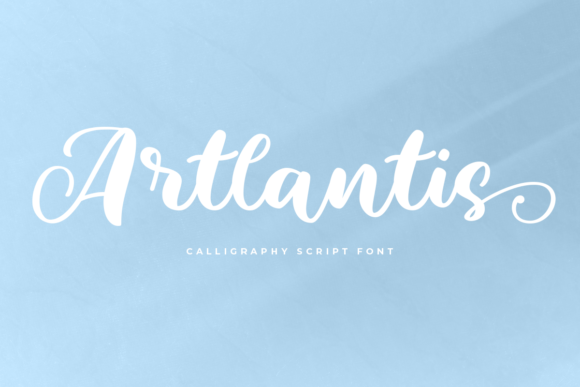
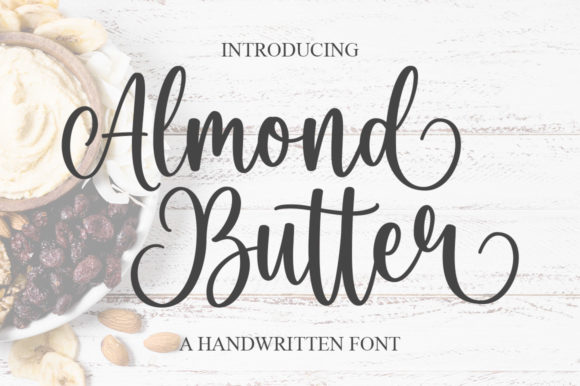
Almond Butter is a flowing, elegant handwritten font with carefully considered spacing, subtle contrast, and organic stroke variation. Its characters are balanced—not too tight, not too loose—and its rhythm feels natural, like skilled penmanship rather than digital mimicry. That balance makes it unusually versatile: it holds up beautifully at small sizes on product tags, shines at large scale in branding, and never overwhelms supporting text.
Unlike many script fonts that lean heavily into whimsy or formality, Almond Butter walks a thoughtful middle path. It’s delicate enough for wedding stationery but grounded enough for a boutique coffee shop’s menu or a therapist’s website header. Its elegance doesn’t come from ornamentation—it comes from restraint and intention.
Where Almond Butter Adds Quiet Impact
Professionals across disciplines use Almond Butter not as decoration, but as a strategic communication tool. Here’s how it works in practice:
- Branding & Identity: A wellness coach pairing Almond Butter with clean sans-serif body text signals approachability and care—without shouting. The font subtly reinforces values like mindfulness and human-centered service.
- Digital Publishing: Bloggers and educators use Almond Butter for section headers, quote callouts, or course module titles. It adds visual breathing room and emotional resonance, helping readers pause and absorb key ideas.
- Print & Packaging: Small-batch makers—think ceramicists, candle makers, or herbal tea brands—choose Almond Butter for labels and swing tags. Its warmth supports storytelling, making products feel handmade even when printed at scale.
- Social Media & Marketing: When used sparingly—say, for a single headline in an Instagram carousel or a limited-edition promo banner—Almond Butter lifts content above the feed noise. It doesn’t compete; it invites.
Why It Works Where Others Don’t
Many script fonts fail in real-world use because they’re either too fragile (hard to read at small sizes) or too rigid (losing the charm of handwriting). Almond Butter avoids both traps. Its lowercase “a,” “g,” and “y” have open counters and clear exits—critical for legibility in UI elements or mobile thumbnails. Uppercase letters maintain presence without dominance, and the full character set includes standard punctuation, numerals, and multilingual support (including basic Latin-1 accents).
It’s also well-hinted and optimized for web use. When loaded via modern font services (like Google Fonts or self-hosted WOFF2), it renders crisply across devices—no blurry edges on high-DPI screens, no awkward reflow during page load.
Practical Considerations Before You Commit
Like any expressive font, Almond Butter thrives with thoughtful implementation—not blanket application. Here’s what experienced designers keep in mind:
- Pair it intentionally. Almond Butter sings alongside neutral, well-proportioned sans-serifs (e.g., Inter, Lato, or Manrope) or gentle serifs (e.g., Cormorant Garamond, Literata). Avoid competing scripts or overly geometric fonts—they’ll clash tonally.
- Reserve it for hierarchy, not volume. Use it for headlines, pull quotes, logos, or short CTAs—not body copy, captions, or data tables. Let it guide attention, not carry information density.
- Test contrast and color. Its fine strokes soften in light gray or pastel tones. For accessibility, pair it with dark charcoal or black on white—or reverse it cleanly on deep, matte backgrounds (avoid glossy or gradient overlays).
- Check licensing early. Almond Butter is typically available under commercial licenses that cover web, desktop, and app use—but verify scope if you’re deploying it in SaaS dashboards, client deliverables, or embedded hardware displays.
Real Observations From the Field
A freelance educator told us she switched her online course landing page header from Montserrat Bold to Almond Butter—and saw a 12% lift in time-on-page for the hero section. Not because the font “converted better,” but because visitors slowed down, scanned the headline more deliberately, and clicked through to learn more.
A local bookstore uses Almond Butter for event posters (“Poetry Night • Oct 17”) alongside a modest serif for details. Customers consistently tell staff the posters “feel like an invitation, not an announcement.” That nuance matters—it reflects how people experience voice and trust before they read a single word.
And a product designer testing checkout flow variants found that using Almond Butter only on the final confirmation screen (“Your order is wrapped with care”) softened perceived friction—especially for first-time buyers. It didn’t change functionality, but it shifted emotional tone.
Not Just Another Pretty Font
Almond Butter earns its place not by being flashy, but by being reliable in context. It’s the kind of typeface that disappears when it should—and lingers gently when it’s meant to. That duality is rare. Most expressive fonts demand attention; Almond Butter offers connection.
If your work involves communicating values—whether through a brand identity, an educational resource, a physical product, or a digital experience—Almond Butter gives you a quiet, confident way to say *this matters*, without saying it aloud.
It won’t fix weak messaging or poor UX. But when paired with clarity of purpose and thoughtful execution, Almond Butter helps good ideas land with grace—and stay remembered.