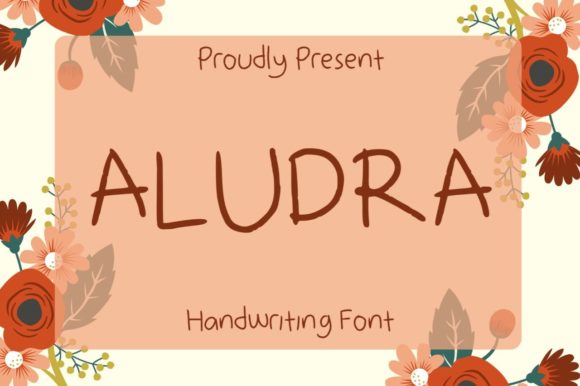
Aludra: A Sweet, Cursive Handwritten Font
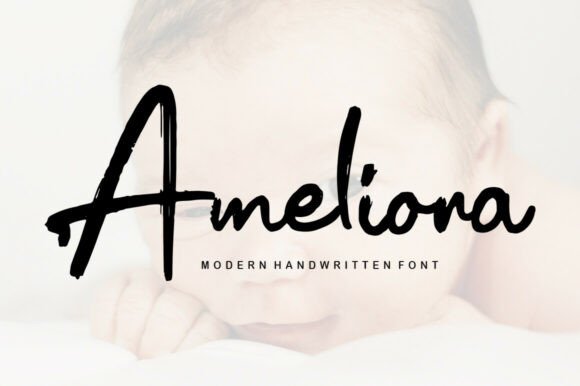
Aludra is a gentle, sweet, and cursive handwritten font—designed to feel personal, expressive, and quietly joyful. Its flowing strokes, subtle variations in line weight, and natural rhythm give it the warmth of ink on paper, without sacrificing legibility or versatility. It’s not overly ornate, nor does it try too hard—it simply invites attention with quiet confidence. Whether you’re sketching a wedding invitation in your notebook or refining a brand’s digital presence, Aludra brings a romantic, human touch that stands apart from rigid sans-serifs or formal serifs.
Why This Font Might Matter—Depending on Who You Are
Fonts are rarely neutral tools. They carry tone, signal intention, and shape how people receive your message—even before they read a word. That’s why Aludra resonates differently across roles and goals. A freelance designer might reach for it to elevate a client’s boutique branding; a teacher may use it to make classroom posters feel welcoming; a small business owner could choose it to soften their online store’s voice. The same typeface becomes something distinct in each context—not because it changes, but because you bring different needs to it.
For Beginners Exploring Design
If you’re just starting out—whether in Canva, Google Slides, or even handwriting mockups—Aludra offers an easy entry point into expressive typography. It doesn’t require advanced kerning knowledge or layout theory to look good. Try pairing it with a clean sans-serif (like Inter or Open Sans) for contrast: use Aludra for headings or quotes, and the sans-serif for body text. That simple hierarchy feels intentional, not accidental. No design degree needed—just curiosity and a willingness to experiment.
For Educators and Content Creators
In classrooms or learning materials, tone affects engagement. Aludra’s soft curves and friendly rhythm can make worksheets, slide titles, or digital handouts feel less formal and more approachable—especially for younger learners or sensitive topics. One middle school science teacher uses Aludra for “Key Idea” banners in her unit on ecosystems; students tell her those slides “feel like stories, not lectures.” For bloggers or course creators, it adds warmth to email headers or downloadable PDF guides—helping readers pause, connect, and remember.
For Small Business Owners and Entrepreneurs
When you’re building a brand with limited resources, every visual choice must pull double duty: reflect authenticity *and* support clarity. Aludra works well for businesses rooted in care, craft, or connection—think handmade goods, wellness services, independent bookshops, or family-run bakeries. It’s not suited for tech startups or law firms aiming for authority—but it shines where warmth matters as much as professionalism. A local florist used Aludra on her Instagram story highlights (“Seasonal Bouquets,” “Wedding Consultations”) and saw a 22% increase in swipe-ups over three months—not because the font sold flowers, but because it made her voice feel more consistently *her*.
For Designers and Marketers
Experienced users often evaluate fonts through layers: technical quality (OpenType features, language support), rendering consistency (across browsers, devices, print), and expressive range. Aludra includes standard ligatures and supports Latin-based languages—including accented characters common in French, Spanish, and Portuguese—making it practical for multilingual campaigns. Its light weight holds up well at larger sizes (think signage or social banners), while its regular weight remains legible down to ~16px in UI contexts. Designers also appreciate that it avoids trend fatigue: it doesn’t mimic calligraphy apps or AI-generated scripts, so it feels grounded—not fleeting.
For Hobbyists and Personal Projects
Not every use of Aludra needs an audience. Some people choose it for journals, habit trackers, or recipe cards—not to impress, but to slow down and savor the act of making. One knitter uses Aludra in her printed project tags (“Made with patience & wool, 2024”) because it mirrors the tactile rhythm of her stitches. Another frames Aludra-printed lyrics above her piano—not as decoration, but as daily reminder of why she plays. Here, value isn’t measured in clicks or conversions, but in resonance: Does this font make the thing *feel* more like you?
What to Consider Before You Use Aludra
Like any tool, Aludra fits some tasks better than others. Ask yourself:
- Is readability at smaller sizes critical? Aludra excels at headings, quotes, and short labels—but avoid long paragraphs or fine print.
- Does your platform support custom fonts reliably? It works smoothly in Figma, Adobe Creative Cloud, and modern web environments (via @font-face or variable font files). In older email clients or basic CMS themes, fallbacks matter—always test.
- Do you need commercial licensing? Aludra is available under clear, per-use or extended licenses. If you’re embedding it in an app or selling templates, check the license terms—not assumptions.
- Are you prioritizing speed or expressiveness? As a variable font, Aludra loads efficiently. But if ultra-fast page loads are non-negotiable (e.g., high-traffic news sites), a system font may serve better—even if it’s less distinctive.
Real Uses, Not Just Possibilities
Here’s how Aludra shows up in practice—no hypotheticals:
- A university writing center uses Aludra in welcome posters (“Your Voice Matters”)—replacing sterile Helvetica to signal openness and encouragement.
- An indie perfume brand pairs Aludra with parchment-textured backgrounds for limited-edition bottle labels, reinforcing artisanal storytelling.
- A therapist’s website uses Aludra only in the “About Me” section headline—creating a subtle emotional shift from clinical navigation to personal connection.
- A student designing her senior thesis cover chose Aludra for the title, then matched its curve angle in hand-drawn botanical illustrations—tying concept and execution together.
None of these uses demand expertise. They all begin with noticing how a font makes you feel—and trusting that feeling as data. Aludra won’t fix unclear messaging or poor layout. But when your goal is to add sincerity, tenderness, or quiet joy to something already meaningful, it helps that meaning land—gently, memorably, and without shouting.
If your next project calls for warmth over wow, intimacy over impact, or romance over rigidity—Aludra may be worth trying. Not as a trend, but as a quiet collaborator in what you’re already trying to say.