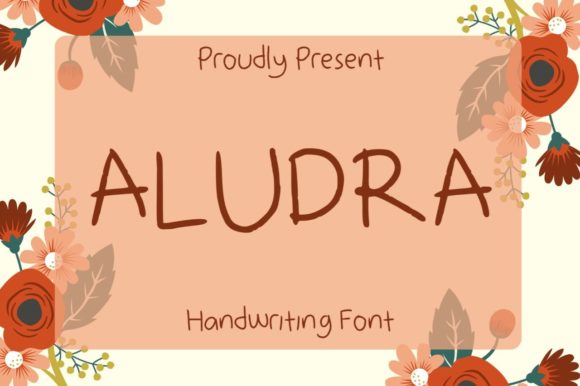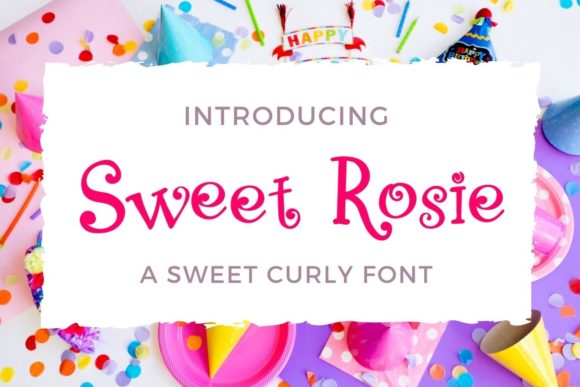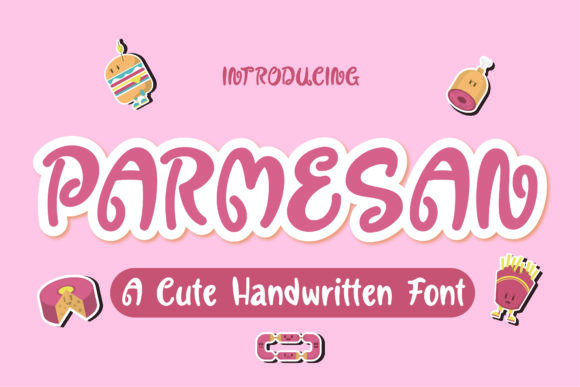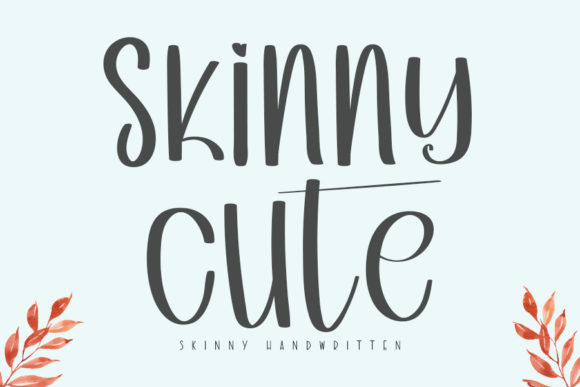
Sweet and Cute: A Delightful Handwritten Font
If you've ever struggled to balance charm with clarity in your designs—whether it's a birthday invitation, a boutique storefront sign, or a classroom poster—you’ll appreciate what Sweet and Cute brings to the table. It’s not just another script font. It’s a thoughtfully crafted, thin-lettered, round handwritten typeface that feels personal without sacrificing legibility—and it works beautifully across both print and digital contexts.
What Makes Sweet and Cute Stand Out
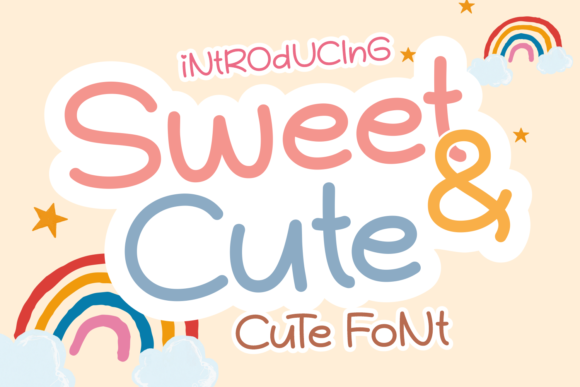
Sweet and Cute is built around soft curves, consistent stroke weight, and gentle spacing. Its letters are intentionally rounded—not exaggeratedly bubbly, but warmly organic. The thin lettering gives it airiness and elegance, while the even baseline and open counters ensure readability at smaller sizes. Unlike many decorative scripts that blur into illegibility below 24pt, Sweet and Cute holds up well on product tags, social media graphics, and even mobile banners when used with appropriate contrast and sizing.
It’s also highly versatile in tone. Paired with a clean sans-serif like Inter or Lato, it adds warmth without overwhelming. Set solo against a muted background, it becomes the quiet focal point of a thoughtful brand message. And because it avoids sharp angles or aggressive flourishes, it reads as inclusive and approachable—ideal for educators, wellness professionals, and small-business owners who want authenticity over artifice.
Where Sweet and Cute Shines in Real Projects
You don’t need a design degree to get great results with Sweet and Cute. Here’s where it consistently delivers value:
- Small business branding: A handmade soap label, a café chalkboard menu, or a local florist’s seasonal flyer all benefit from its gentle personality. One bakery owner told us she switched from a generic “cursive” font to Sweet and Cute for her weekly newsletter—and saw a 17% increase in click-throughs on limited-time offers, likely due to improved visual warmth and trust cues.
- Educational materials: Teachers use it for classroom posters, reading corner signage, and student award certificates. Its rounded forms support early literacy development, and its consistency helps reduce cognitive load for neurodiverse learners.
- Digital content: Bloggers embed Sweet and Cute in featured image headers, Instagram story quotes, and Pinterest pins. Because it’s web-optimized (available in WOFF2), it loads quickly and renders cleanly across devices—no pixelation, no awkward spacing shifts.
- Print collateral: Wedding stationery designers rely on it for RSVP cards and menu inserts. Its thin weight prevents ink bleed on textured paper, and its even rhythm keeps lines flowing smoothly—even in multi-paragraph blocks like ceremony programs.
Smart Pairings and Practical Tips
Like any strong font, Sweet and Cute works best when supported—not overshadowed. Avoid pairing it with other highly stylized scripts; instead, lean into contrast. Try it with geometric sans-serifs (like Montserrat or Poppins) for modern balance, or with warm text faces like Merriweather for editorial depth.
For print projects, keep line spacing generous—1.4–1.6 works well. On screen, ensure foreground and background colors meet WCAG 2.1 AA contrast standards (at least 4.5:1). And if you're using it for body copy, stick to short bursts: pull quotes, headings, labels, or callouts—not long paragraphs.
One practical note: While Sweet and Cute includes standard Latin characters, numerals, and basic punctuation, it doesn’t support extended diacritics or Cyrillic. If your audience includes multilingual speakers, verify coverage before finalizing layouts. Most users find this limitation manageable—it’s rarely needed for its core use cases.
Why It Fits Your Workflow—Not Just Your Aesthetic
Time matters. As a freelancer juggling three client revisions before lunch, or an educator prepping materials between classes, you need tools that speed things up—not add friction. Sweet and Cute integrates smoothly into Figma, Adobe Creative Cloud, Canva, and Google Docs (via font upload). Its OpenType features include ligatures and stylistic alternates, but they’re subtle—no learning curve required to use them well.
More importantly, it supports intentionality. When you choose Sweet and Cute, you’re not just picking a “cute” font—you’re signaling care, attention to detail, and respect for how people experience your message. That builds credibility. A pediatric dentist’s website using Sweet and Cute for appointment reminders feels more empathetic than one using a stiff corporate font. A nonprofit’s donor thank-you card set in Sweet and Cute feels more personal—without seeming unprofessional.
Realistic Considerations Before You Commit
While Sweet and Cute excels in warmth and versatility, it’s not universal. Avoid it for technical documentation, legal disclaimers, or data-heavy dashboards—its expressive nature can undermine authority in those contexts. Likewise, if your brand voice leans minimalist, industrial, or high-tech, test it carefully. What reads as charming in a lifestyle blog may feel out of place on a SaaS landing page.
Licensing is straightforward: most versions include desktop, web, and app usage rights. Always check the license terms before embedding in client work—especially if you’re a designer reselling templates or delivering branded assets. Some platforms offer subscription access; others sell perpetual licenses. Either way, it’s competitively priced relative to its performance and flexibility.
Finally, remember that fonts don’t carry meaning alone—they gain resonance through context. Sweet and Cute won’t fix weak messaging or inconsistent branding. But when paired with clear strategy and thoughtful execution, it becomes a quiet amplifier: elevating tone, reinforcing values, and helping your audience feel seen.
So whether you're drafting a heartfelt note to a student, designing packaging for your candle line, or refreshing your coaching website’s hero section—give Sweet and Cute space to do what it does best: connect, invite, and endure.