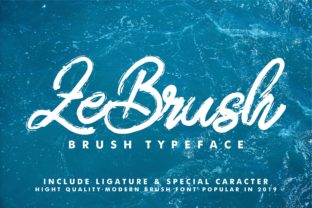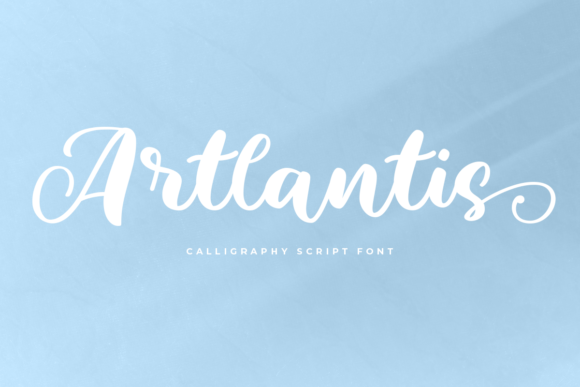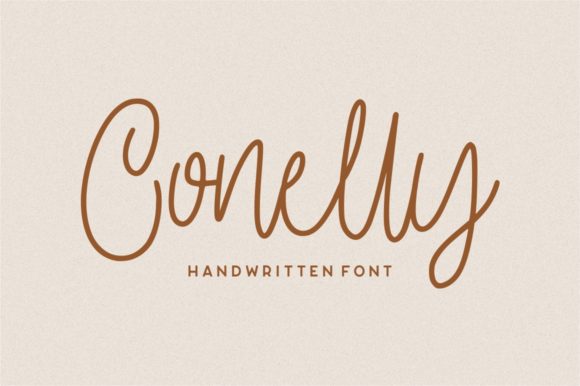
Osmane: A Modern Handwritten Font with Stunning Swashes
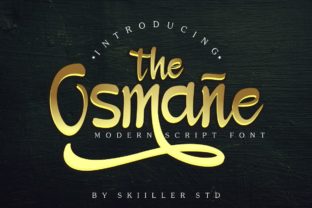
Osmane is a fresh, expressive take on classic handwritten type—designed not just to look elegant, but to feel alive on the page or screen. It’s not a scan of old calligraphy or a stiff digital imitation. Instead, Osmane breathes with rhythm and intention: smooth entry strokes, confident exits, and those eye-catching swashes that dance just beyond the baseline or loop gracefully above capitals. Whether you’re typing a wedding invitation or designing a boutique logo, Osmane adds warmth, personality, and quiet sophistication—without demanding expert typography skills.
What Makes Osmane Stand Out?
At its core, Osmane balances authenticity with usability. Its letterforms echo traditional copperplate and Spencerian influences—but with subtle simplifications that make it highly legible at smaller sizes and across devices. The real magic lies in its swash variants: alternate characters with extended flourishes built right into the font file. You don’t need special software plugins or manual vector work—just type, then swap a standard “S” for a swash version using OpenType features in apps like Adobe Illustrator, Affinity Designer, or even modern web tools like Figma.
Unlike many decorative fonts, Osmane includes full language support for Western European languages, consistent spacing, and carefully tuned kerning pairs. That means headlines won’t look awkwardly cramped or spaced out—and body text remains readable, even in longer passages like blog intros or email newsletters.
Where Does Osmane Shine in Real Projects?
Think of Osmane as your go-to when you want elegance without effort. Here are everyday uses where it delivers real value:
- Small business branding: A local café, handmade jewelry shop, or yoga studio can use Osmane for logos, menus, or social media banners—giving their identity a personal, artisanal touch that feels human, not algorithmic.
- Invitations & stationery: Wedding suites, baby announcements, or milestone birthday cards gain instant charm. Pair Osmane’s swash capitals with a clean sans-serif for names and details—it creates visual hierarchy without clutter.
- Digital content: Blog headers, Instagram quote graphics, or online course landing pages benefit from its approachable authority. It signals care and creativity, helping your message stand out in crowded feeds.
- Educational materials: Teachers crafting handouts or educators designing workshop slides find Osmane strikes a balance between friendly and professional—ideal for titles, section dividers, or motivational quotes.
One freelance designer recently used Osmane to rebrand a children’s book illustrator’s website. She applied swash “A” and “T” in the site header, kept paragraph text in a neutral sans-serif, and added subtle swash flourishes as bullet points in service descriptions. Clients immediately commented on how “inviting” and “thoughtful” the site felt—even before reading a word.
Beginner-Friendly Tips for Getting Started
If you’re new to using fonts with swashes, start simple. Type your headline in Osmane first using standard characters. Then, highlight just one or two key letters—like the first letter of a title or an initial in a monogram—and replace them with swash versions. This avoids overwhelming the eye while still adding distinction.
Most design apps let you access alternates through a glyph panel or context menu. In Figma, for example, right-click a text layer → “Font Features” → toggle “Swash” or “Stylistic Alternates.” In Canva, you’ll need to download and install Osmane first (it’s available as a desktop font), then activate swashes via the “Effects” tab under “Text Style.”
Remember: less often works better. A single well-placed swash draws attention; too many compete for focus and dilute impact. Also, avoid using Osmane for long blocks of body copy—its beauty shines brightest in short, meaningful phrases.
Things to Keep in Mind Before You Use Osmane
While versatile, Osmane isn’t meant for every scenario. It’s not ideal for technical documentation, legal disclaimers, or interfaces requiring high-speed scanning (like airport signage or app navigation labels). Its expressive nature prioritizes tone over neutrality—so consider your audience’s expectations. A fintech startup might opt for clarity over charm in its dashboard UI, but could use Osmane beautifully in its brand storytelling section or investor pitch deck.
Licensing matters, too. Osmane is typically offered under a commercial license—meaning you can use it in client projects, merchandise, or digital products, as long as you’ve purchased the appropriate plan. Always check the license terms before embedding it in a website (via CSS @font-face) or distributing it with an app.
Also worth noting: Osmane performs best when paired intentionally. Try it with warm, earthy color palettes or soft textures—think linen backgrounds, muted watercolor washes, or gentle shadows. Avoid pairing it with overly geometric or ultra-thin fonts unless you’re aiming for deliberate contrast. When in doubt, test readability on mobile screens and ask a friend to glance at your design for no more than three seconds. If they notice the tone and message—not just the flourishes—you’ve struck the right balance.
Why Designers Keep Coming Back to Osmane
It’s rare to find a handwritten-style font that feels both timeless and current—neither nostalgic nor trendy. Osmane achieves that by honoring tradition while removing friction. No tracing, no digitizing, no guesswork: just thoughtful design ready to use. For creators who value authenticity but don’t have hours to spend on custom lettering, Osmane offers a shortcut to sincerity.
And because it’s built for today’s workflows—supporting variable font axes (in some versions), OpenType features, and cross-platform compatibility—it fits naturally into existing tools rather than forcing new habits. That practicality, combined with its visual warmth, makes Osmane more than just another font choice. It’s a small but meaningful way to say: This matters. You matter. Let’s make it beautiful—together.