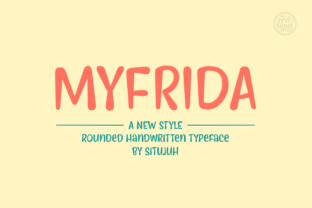
Myfrida Regular: Playful, Human, and Surprisingly Versatile
If you’ve ever scrolled through a font library and paused—not because something looks technically perfect, but because it *feels* like it just smiled at you—chances are you’ve stumbled on Myfrida Regular. This isn’t a sterile, algorithm-optimized typeface. It’s a handwritten font with warmth baked into every curve, a quiet confidence in its rounded, friendly glyphs. Think of it as the designer’s pen that never runs out of ink—and always remembers to add a little lift to the baseline.
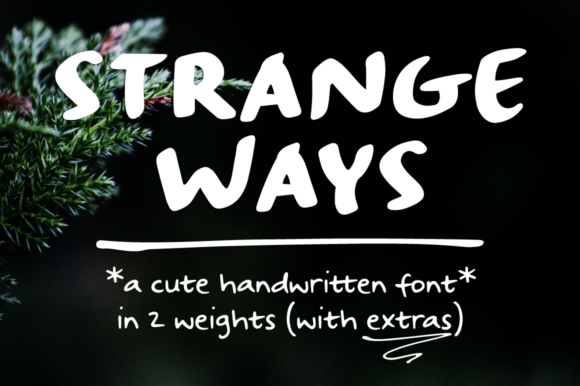
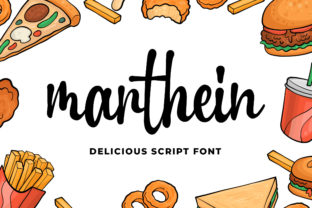
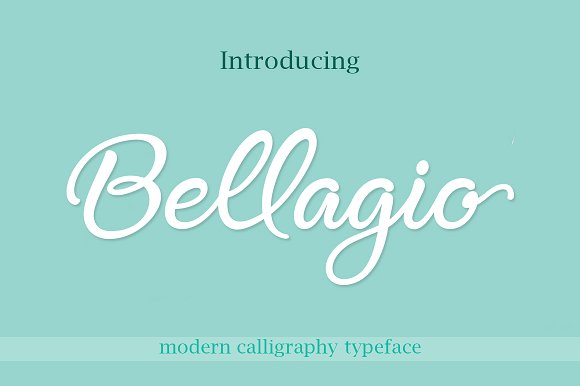
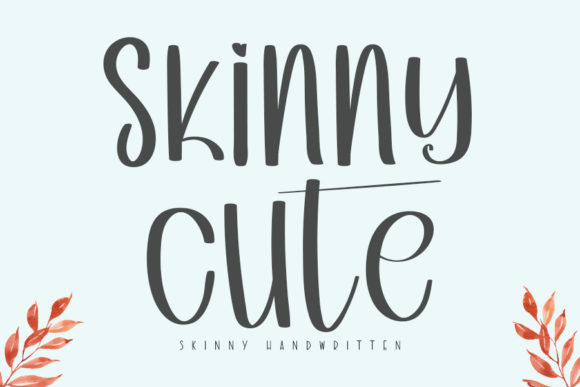
Visually, Myfrida Regular balances consistency with character. Its letters are evenly spaced and legible at medium sizes, yet each glyph carries subtle irregularities—a slight tilt in the ‘e’, a soft swell in the ‘o’, a gentle taper on the ‘t’ crossbar. These aren’t flaws; they’re cues that a real hand made them. The strokes are smooth, the corners softly rounded, and the x-height generous—giving it presence without shouting. It’s not overly decorative like many script fonts, nor does it try to mimic calligraphy. Instead, it sits comfortably in the sweet spot between approachable and intentional: a modern typography choice that feels both handmade and well-considered.
Where Myfrida Regular Earns Its Keep
This font shines where authenticity matters more than austerity. In kids-themed designs—think birthday invites, classroom posters, or illustrated storybooks—it adds instant charm without tipping into cutesy overload. But don’t relegate it to nurseries and playrooms. Many small business owners and creative entrepreneurs use Myfrida Regular in brand identities where warmth and humanity are strategic advantages: a local bakery’s chalkboard menu, a wellness coach’s workshop flyer, or a boutique publisher’s book cover for a memoir or essay collection.
It also works surprisingly well in corporate contexts that aim for approachability—like HR onboarding kits, internal comms decks, or customer-facing service guides. Unlike rigid sans serifs that can feel transactional, Myfrida Regular signals, “We see you as a person.” That shift in tone can quietly improve engagement, especially in digital spaces where attention is fragmented and trust is earned in milliseconds.
Readability, Hierarchy, and Real-World Legibility
Let’s be clear: Myfrida Regular is a display font—not a body text workhorse. It’s best deployed at 16px and up for web, or 14pt and above in print. At smaller sizes, its playful details begin to blur together, especially on low-resolution screens or when set in long paragraphs. That’s not a limitation; it’s a design cue. Use it where you want focus: headlines, subheads, pull quotes, logo lockups, social media banners, or packaging accents.
When used intentionally, it strengthens visual hierarchy by creating natural contrast. Pair it with a clean, neutral sans serif (like Inter, Lato, or even Helvetica Neue) for body copy, and the combination delivers clarity *and* personality. You get readability where it counts—and emotional resonance where it connects. In editorial design or packaging design, that duality helps brands stand out on crowded shelves or feeds without sacrificing professionalism.
Pairing, Testing, and Practical Fit
Before committing, test how Myfrida Regular behaves in your actual environment. Drop it into a mockup of your website’s hero section—or paste it into a Canva template for an Instagram carousel. Does it hold up against your brand colors? Does it feel cohesive next to your existing logo or imagery? Don’t rely on font previews alone. See how it renders on mobile Safari, Chrome, and even printed PDFs.
Font pairing isn’t about rules—it’s about rhythm. Try setting Myfrida Regular for headings and a warm, open sans serif (not too geometric, not too cold) for supporting text. Avoid pairing it with other handwritten or script fonts—that creates visual competition, not harmony. And steer clear of high-contrast serif fonts unless you’re aiming for deliberate irony (e.g., a vintage apothecary label).
You’ll also want to check which weights and variants are included. Myfrida Regular is the foundational style—but if your project needs emphasis, look for Myfrida Bold (for stronger visual weight without switching families) or Myfrida Shadow, Hollow, or Outline versions for layered effects in packaging or signage. Having those options means you can maintain voice and cohesion across touchpoints—from a simple email header to a trade show banner.
Licensing, Legitimacy, and Long-Term Use
This is a premium font—not a free download from an unverified site. Using a properly licensed version of Myfrida Regular ensures consistent rendering, access to full character sets (including accented characters and punctuation), and legal protection for commercial projects. If you’re a blogger embedding it via @font-face, a marketer building branded templates, or a craft business printing product labels, confirm the license covers your use case: desktop, web, app, or ePub. Reputable foundries or marketplaces like Creative Market or MyFonts provide clear terms—and often include bonus assets like alternate glyphs or stylistic sets.
Think of licensing not as overhead, but as part of your design assets budget—like paying for quality stock photography or a reliable illustration subscription. A well-chosen, well-licensed handwritten font like Myfrida Regular becomes part of your brand identity infrastructure. It’s not just decoration; it’s a consistent, recognizable voice across every customer interaction.
A Font That Grows With Your Work
What makes Myfrida Regular endure isn’t just its looks—it’s its adaptability. It doesn’t force a mood; it invites one. A teacher uses it for a classroom newsletter and feels like she’s writing directly to parents. A SaaS startup drops it into a feature announcement and suddenly their tech feels more human. A self-published author chooses it for chapter titles and gives readers permission to relax into the story.
That flexibility comes from restraint. Myfrida Regular doesn’t overreach. It doesn’t try to be everything. It knows its role—and plays it with quiet confidence. Whether you’re designing for joy, clarity, empathy, or curiosity, it’s a tool that supports intent instead of overshadowing it.
So if your current fonts feel either too stiff or too chaotic—if your audience seems to skim instead of connect—try swapping in Myfrida Regular for your next headline, your next CTA button, your next book cover. Not as a gimmick, but as a deliberate gesture: a reminder that behind every design, there’s a person. And sometimes, the most professional thing you can do is let that show.