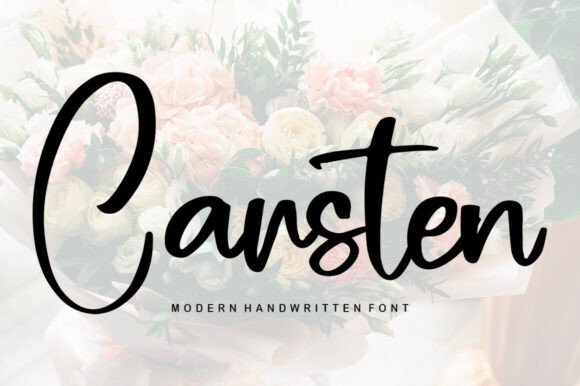
Carsten: A Simple and Friendly Handwritten Font for Every Creative Need
In the ever-evolving world of design and typography, the right font can make all the difference. Whether you're crafting a presentation, designing a website, or creating a hand-written greeting card, the choice of typeface plays a crucial role in how your message is received. Enter Carsten, a simple yet expressive handwritten font that has been gaining attention among designers, creators, and professionals alike.
What Is Carsten?
Carsten is a friendly and approachable handwritten font designed to be both versatile and easy to use. Its clean lines and natural flow give it a personal touch, making it ideal for a wide range of applications—from branding materials to digital content creation. The font's design philosophy centers around simplicity and readability, ensuring that it remains legible even at smaller sizes.
One of the standout features of Carsten is its PUA encoding, which allows users to access all glyphs and swashes seamlessly. This makes it particularly useful for those who need to customize their designs with special characters or decorative elements without compromising on quality or consistency.
Why Carsten Is Gaining Attention
As the creative industry continues to evolve, there's a growing demand for fonts that are not only visually appealing but also functional across multiple platforms. Carsten fits this need perfectly. It offers a balance between aesthetics and usability, making it a favorite among professionals and enthusiasts alike.
Designers today are looking for fonts that can adapt to different contexts—whether it's a formal report, a social media post, or a handmade gift. Carsten's versatility allows it to transition smoothly between these scenarios, offering a consistent visual identity regardless of the medium.
From Crafts to Digital Design
Whether you're a craft enthusiast creating custom labels or a digital designer working on a brand identity project, Carsten has something to offer. Its handwriting style adds a human element to any design, helping to create a more engaging and relatable experience for the audience.
For instance, when designing a series of promotional materials for a local business, using Carsten can help establish a warm and inviting brand voice. Similarly, in the realm of digital content creation, this font can be used to add a personal touch to blog posts, social media graphics, or email newsletters.
How Carsten Fits Into Current Trends
The rise of handwritten fonts in design is not just a passing trend—it reflects a broader shift in consumer preferences toward authenticity and personalization. In an age where digital communication often feels impersonal, the use of handwritten fonts like Carsten helps bridge the gap between the digital and the tactile.
This trend is especially evident in the marketing and branding sectors, where businesses are increasingly seeking ways to connect with their audiences on a more personal level. By incorporating a font like Carsten, brands can convey warmth, approachability, and a sense of community.
Practical Applications and Observations
Let’s take a closer look at some practical examples where Carsten shines:
- Greeting Cards: For personal or commercial use, Carsten adds a handcrafted feel that makes each card unique and memorable.
- Website Headers: When used as a heading font, Carsten draws the eye and sets the tone for the entire site.
- Social Media Content: From Instagram captions to Twitter threads, Carsten brings a fresh and modern aesthetic to online presence.
- Presentations: Whether you're pitching an idea or presenting data, Carsten adds a friendly and professional touch to your slides.
These examples highlight how Carsten can be integrated into various workflows without sacrificing clarity or impact. Its adaptability makes it a valuable tool for both beginners and seasoned designers.
Changing Needs and Expectations
As the creative industry continues to evolve, so do the expectations of its users. Today’s designers are looking for tools that are not only powerful but also intuitive and accessible. Carsten meets these demands by offering a straightforward interface and a wide range of customization options through its PUA encoding.
Additionally, the increasing reliance on digital platforms means that fonts must perform well across different devices and screen sizes. Carsten is designed with this in mind, ensuring that it remains legible and visually appealing in all contexts.
Conclusion
In a world where first impressions matter, the right font can make all the difference. Carsten stands out as a simple yet powerful choice for anyone looking to add a personal touch to their work. Whether you're a professional, a creator, or an enthusiast, this font has the potential to become your go-to choice for a wide variety of projects.
With its blend of elegance, functionality, and adaptability, Carsten is more than just a font—it's a tool that empowers creativity and enhances communication. As the creative landscape continues to evolve, fonts like Carsten will remain essential in shaping the way we express ourselves and connect with others.